

How to Maintain Your L-Sealer and Shrink Tunnel for Best Performance
In any packaging operation, reliability is everything. L-sealers and shrink tunnels are workhorses of the production line, and when they’re properly maintained, they deliver consistent seals, reduced downtime and longer machine life. When they’re neglected, however, problems such as weak seals, film waste and unexpected breakdowns quickly follow. This guide explains how to maintain your L-sealer and shrink tunnel properly, helping your business stay efficient, cost-effective and productive.________________________________________
Why Regular Maintenance Matters Routine maintenance is not just about preventing breakdowns — it directly impacts your packaging quality and running costs. Well-maintained equipment: • Produces strong, consistent seals • Reduces film waste and rework • Minimises unplanned downtime • Extends the lifespan of heating elements and moving parts • Keeps operators safe and machines compliant In short, a small investment of time in maintenance can save significant costs in repairs and lost production.
________________________________________
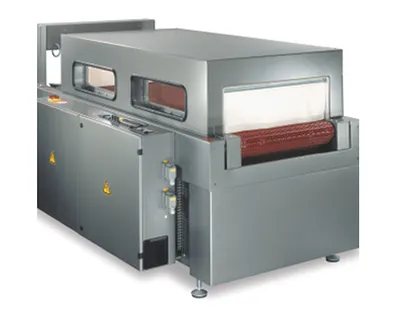
Daily Maintenance Checks Simple daily checks can prevent most common issues. For L-sealers: • Wipe down sealing jaws to remove film residue • Check sealing bars for debris or damage • Ensure temperature settings are correct for the film type being used For shrink tunnels: • Keep air inlets and outlets clear • Check that conveyors run smoothly • Listen for unusual noises that could indicate wear or obstruction These quick checks take only minutes but can prevent hours of downtime.
________________________________________
Weekly and Monthly Maintenance Tasks A more detailed inspection should be carried out weekly or monthly, depending on usage levels. L-sealers • Inspect PTFE covers and sealing wires and blades for wear • Check electrical connections and switches • Replace worn consumables before they fail completely Shrink tunnels • Clean internal chamber surfaces to prevent film build-up • Check fans and airflow systems for blockages • Inspect belts, chains and bearings for early signs of wear Keeping a simple maintenance log helps ensure nothing is missed and makes it easier to spot recurring issues.
________________________________________
Common Problems Caused by Poor Maintenance Neglecting routine care often leads to avoidable problems, including: • Inconsistent or weak seals • Burnt or distorted shrink film • Overheating and energy inefficiency • Premature failure of heating elements • Increased machine downtime during peak periods Most of these issues can be avoided with regular cleaning, inspection and timely replacement of parts.
________________________________________
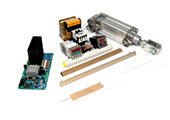
Use Genuine Spare Parts Using the correct spare parts is essential. Low-quality or incompatible components can cause further damage and invalidate warranties. Keeping a small stock of common consumables — such as sealing wires, sealing blades, PTFE covers and belts — ensures you can carry out quick repairs without interrupting production.
________________________________________
When to Call in Professional Servicing Even with good in-house maintenance, professional servicing plays a vital role. Scheduled servicing by experienced engineers ensures: • Accurate temperature calibration • Electrical safety checks • Identification of wear before failure occurs • Compliance with manufacturer recommendations Professional servicing is particularly important for high-volume operations where downtime is costly.
________________________________________
Final Thoughts L-sealers and shrink tunnels are critical pieces of packaging machinery. With regular cleaning, routine inspections and professional servicing, they can deliver years of reliable performance. Proactive maintenance doesn’t just protect your equipment — it protects your productivity, your product quality and your bottom line.