

Manual vs Automatic Packaging Machines: Which Is Right for Your Business?
If you’re looking to improve your packaging process, one of the first decisions you’ll face is whether to choose a manual or automatic packaging machine. Both options have their place, but choosing the right one can significantly impact your efficiency, labour costs, and output. In this guide, we’ll break down the key differences and help you decide which solution is best for your business.What Are Manual Packaging Machines?
Manual packaging machines require an operator to carry out most of the process. This might include placing the product, activating the seal, or moving items through the machine. Typical examples include:
- Hand sealers
- Foot-operated bag sealers
- Manual shrink wrap systems
What Are Automatic Packaging Machines?
Automatic machines streamline the process by handling most, or all of the packaging cycle with minimal human input. These include:
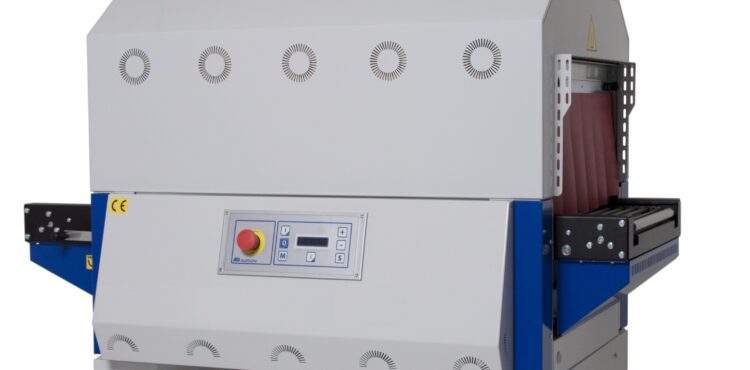
- Automatic L-sealers and shrink tunnels
- Fully automated shrink wrapping systems
- Automatic pallet wrapping machines
For higher output operations, solutions like L-sealers and shrink tunnels 👉 https://sontex.co.uk/l-sealers-shrink-tunnels/ can dramatically increase efficiency.
Key Differences Between Manual and Automatic Machines
- Output and Speed
- Manual machines are slower and rely on operator speed
- Automatic machines can process significantly higher volumes
- Labour Costs
- Require more hands-on involvement
- Increase staffing requirements over time
- Reduce reliance on labour
- Allow staff to focus on other areas of the business
- Initial Investment
- Manual machines are more affordable upfront
- Automatic machines require a higher initial spend
However, automatic systems often pay for themselves through increased productivity and reduced labour costs.
- Consistency and Quality
- Manual packaging can vary depending on the operator
- Automatic machines provide consistent, professional results every time
- Retail presentation
- Product protection
- Brand image
- Scalability
Automatic systems are designed to:
- Handle increased demand
- Support business expansion
- Improve turnaround times
When Should You Choose Manual Packaging?
Manual machines are ideal if:
- You’re a small or start-up business
- You have low daily packaging volumes
- You’re working with a limited budget
- You need flexibility for different product types
For example, smaller operations often benefit from bag sealing machines for simple, cost-effective packaging.
When Should You Choose Automatic Packaging?
Automatic machines are the better choice if:
- You have high packaging volumes
- You want to reduce labour costs
- You need consistent, professional packaging
- Your business is growing or scaling
Hybrid Options: The Best of Both Worlds
It’s also worth noting that semi-automatic machines exist, offering a balance between manual control and automation.
These are ideal for businesses that:
- Are growing but not ready for full automation
- Want to improve efficiency without a large upfront investment
Which Option Is Right for You?
There’s no one-size-fits-all answer, it depends on your business needs.
Ask yourself:
- How many items do we package daily?
- Are labour costs becoming an issue?
- Do we need faster turnaround times?
- Are we planning to scale soon?
If your workload is increasing and packaging is becoming a bottleneck, it’s usually a clear sign that automation is the next step. In Summary
Choosing between manual and automatic packaging machines comes down to volume, budget, and long-term goals.
- Manual machines are cost-effective and flexible for smaller operations
- Automatic machines offer speed, consistency, and scalability
If you’re unsure which solution is right for your business, exploring a range of packaging options, from shrink wrapping systems https://sontex.co.uk/l-sealers-shrink-tunnels/ to sealers and pallet wrappers, is the best place to start.